
Across Africa, the journey towards a just and inclusive transition is being written not only in policy documents but in the lived realities of communities adapting to climate, social, and economic shifts. From rural cooperatives and youth innovators to women-led environmental movements, grassroots actors are shaping a distinctly African vision of resilience and sustainability. As global attention turns towards COP30 in Brazil and the upcoming G20 Summit, it is vital that these local voices, the very heartbeat of Africa’s transition are heard, recognised, and elevated in high-level climate negotiations.
South Africa: Amplifying Township Voices Through Green Enterprises
In Mpumalanga, Community Based Organisation’s (CBOs) such as Khuthala Environmental Care Group and the Greater Phola Ogies Women’s Forum (GPOWF) help bring community priorities to the forefront. Bringing to light the need for decent work, access to education and healthcare, water and food security, and recognition of women’s unpaid care work within the just transition discourse and agenda. Township-based green enterprises supported by the Indalo Inclusive network are translating these priorities into action. From waste-to-energy projects to urban farming cooperatives, these initiatives generate local employment while ensuring communities co-own the solutions. By centring local voices in decision-making, these enterprises demonstrate that green jobs can be both environmentally sustainable and socially transformative.
South Sudan: Grassroots Climate Action and Peacebuilding
In South Sudan, the Support for Peace and Education Development Programme (SPEDP) initiative works directly with pastoralist communities to combine climate-smart natural resource management with conflict resolution. By facilitating community-led dialogues and co-designing resource-sharing agreements, SPEDP amplifies local perspectives in climate decision-making while strengthening resilience. This approach ensures that interventions are locally relevant, socially accepted, and capable of generating new livelihood opportunities in agriculture, water management, and community-led conservation. It also highlights that climate justice and peacebuilding are deeply interconnected in fragile contexts.
Uganda: Women and Youth Leading the Transition
In Western Uganda, Rose Kobusinge’s work with Vital Crest Foundation demonstrates how women and youth are driving Africa’s green transition. Through agroecology, renewable energy training, and climate advocacy, these initiatives empower young women to take leadership roles in climate solutions. By actively involving women and youth in designing and implementing projects, these programmes elevate grassroots voices and create green jobs that go beyond technical placements, offering pathways to dignity, agency, and long-term resilience.
Community Ownership as a Catalyst for Innovation
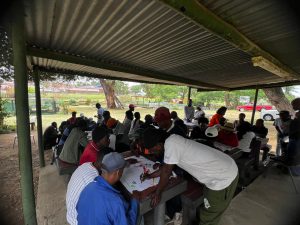
Across these contexts, one theme is clear: communities must be co-creators of the solutions that affect them. Whether in South Africa’s townships, South Sudan’s pastoralist lands, or Uganda’s rural districts, locally led initiatives are unlocking green enterprises, fostering inclusive employment, and ensuring that climate action reflects real community needs. These voices from the frontline are not only shaping green jobs and local economies but also demonstrating that innovation thrives when it is rooted in lived experience and local knowledge.
Looking Ahead: COP30 and the G20 Summit
Building on the momentum from the Africa Climate Summit and the Addis Ababa Declaration, AfriCGE’s upcoming High-Level Dialogue will bring together policymakers, researchers, civil society, and community leaders to chart Africa’s collective priorities for COP30 and the G20 Summit. Discussions will focus on ensuring climate finance, renewable energy, and green jobs reach communities, amplifying the very grassroots voices that are already driving Africa’s just and inclusive transition.
Register to Join the Dialogue
Don’t miss this opportunity to be part of shaping Africa’s climate future. Register now for the High-Level Dialogue on Africa’s Just and Inclusive Transition and join leaders and community innovators in defining pathways for a sustainable, equitable, and community-driven green economy.
